
Workwear by Trade in the UK (2026): What Electricians, Carpenters, Warehouse Staff & Plumbers Should Wear

Trade-specific essentials
- Electricians: Close-fit trousers, lightweight gloves, high-mobility layers
- Carpenters: Reinforced work trousers, knee protection, tool-friendly pockets
- Warehouse staff: Breathable hi-vis, grip gloves, flexible trousers
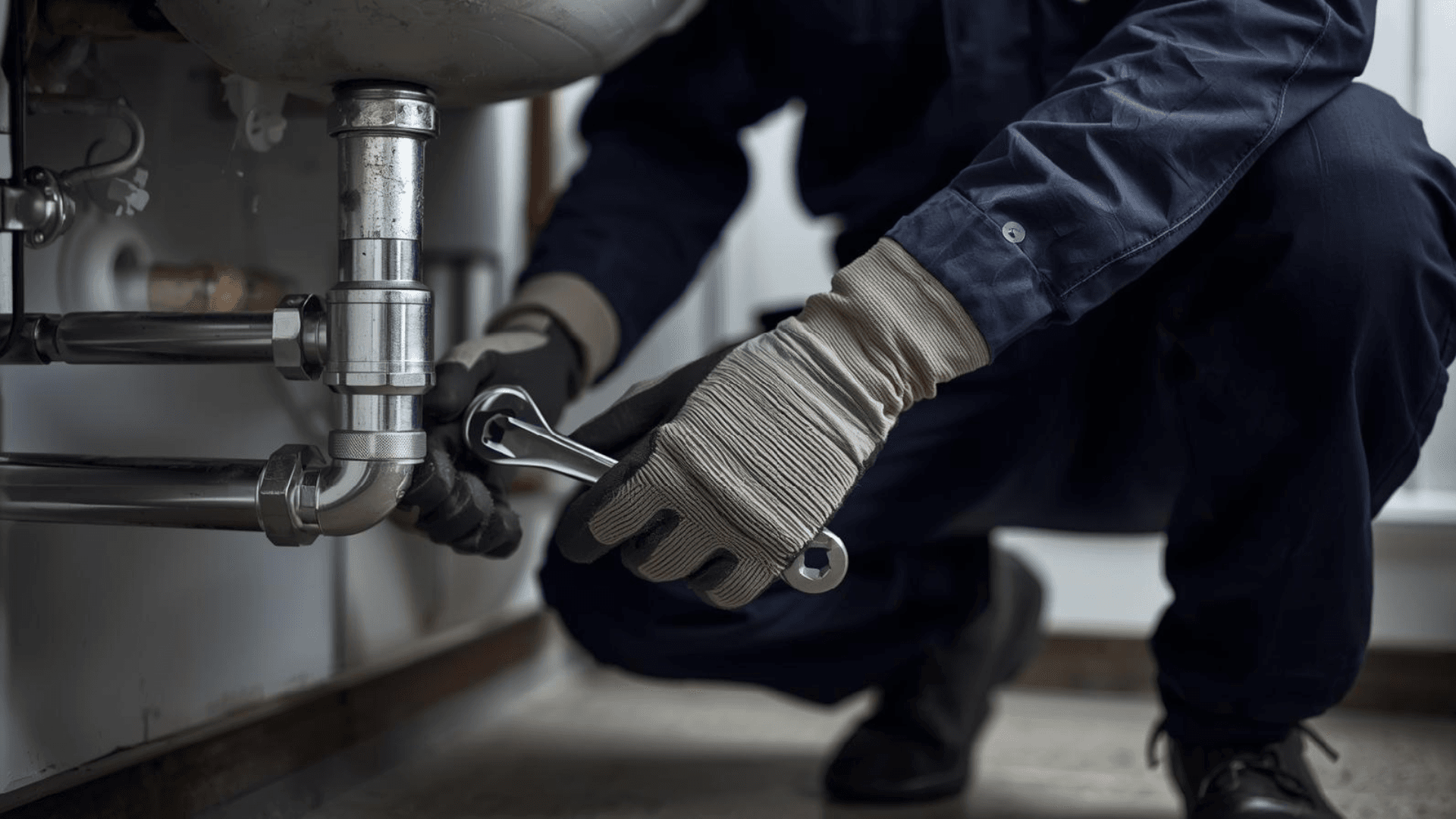
- Plumbers: Water-resistant trousers, overalls, thermal layers
Table of Contents
Why trade-specific workwear matters
Not all jobs carry the same risks. Wearing generic workwear can:
- Reduce productivity
- Increase injury risk
- Cause discomfort over long shifts
- Lead to premature garment failure
Trade-specific workwear is designed to match movement patterns, environments and hazards, helping workers stay safe, comfortable and efficient throughout the day.
This guide breaks down exactly what to wear by trade and why it matters.
Workwear for electricians
Key risks & requirements
- Frequent bending, kneeling and reaching
- Working in confined spaces
- Need for dexterity and tool access
Recommended clothing & PPE
Work trousers
- Slim or regular fit for mobility
- Stretch fabric or gusseted crotch
- Reinforced knees (optional knee pad pockets)
Gloves
- Close-fitting gloves for dexterity
- Cut-resistant gloves when handling sharp materials
High-visibility (where required)
- Lightweight hi-vis jackets or vests
- Breathable fabrics to avoid overheating
Why this matters: Electricians need freedom of movement and precise hand control — bulky or loose clothing increases risk and reduces efficiency.
Workwear for carpenters & joiners
Key risks & requirements
- Constant kneeling
- Sharp tools and materials
- Heavy tool carrying
Recommended clothing & PPE
Work trousers
- Double-knee or reinforced knee panels
- Built-in knee pad pockets
- Multiple tool pockets and hammer loops
Gloves
- Cut-resistant gloves for handling timber
- Grip-coated gloves for lifting and positioning materials
Overalls (optional)
- For dusty or messy environments
- Easy to remove at breaks
Why this matters: Carpenters wear through clothing faster than most trades. Reinforced fabrics and knee protection significantly extend garment life and reduce joint strain.
Workwear for warehouse & logistics staff
Key risks & requirements
- Manual handling
- Vehicle movement (forklifts, pallet trucks)
- Long periods on foot
Recommended clothing & PPE
High-visibility clothing
- Class 2 hi-vis vests or lightweight jackets
- Hi-vis trousers in high-traffic environments
Work trousers
- Lightweight, flexible cargo trousers
- Breathable fabrics for long shifts
Gloves
- General handling gloves with good grip
- Lightweight liners for dexterity
Why this matters: Comfort and breathability are critical for productivity. Overly heavy PPE can lead to fatigue and poor compliance.
Workwear for plumbers & groundworkers
Key risks & requirements
- Wet and cold environments
- Working at floor level
- Exposure to dirt, grime and chemicals
Recommended clothing & PPE
Work trousers
- Water-resistant or treated fabrics
- Reinforced seat and knees
Overalls
- Bib or full overalls for messy or outdoor work
- Insulated options for winter
Gloves
- Waterproof or nitrile gloves
- Cut-resistant gloves when handling pipes
Why this matters: Plumbers often work in unpredictable conditions. Clothing that protects against moisture and cold reduces discomfort and illness risk.
Maintaining and replacing workwear
Replace garments when:
- Fabric thins or tears
- Reinforcements wear through
- Hi-vis loses brightness or reflectivity
Encourage teams to inspect workwear regularly and report damage early.