
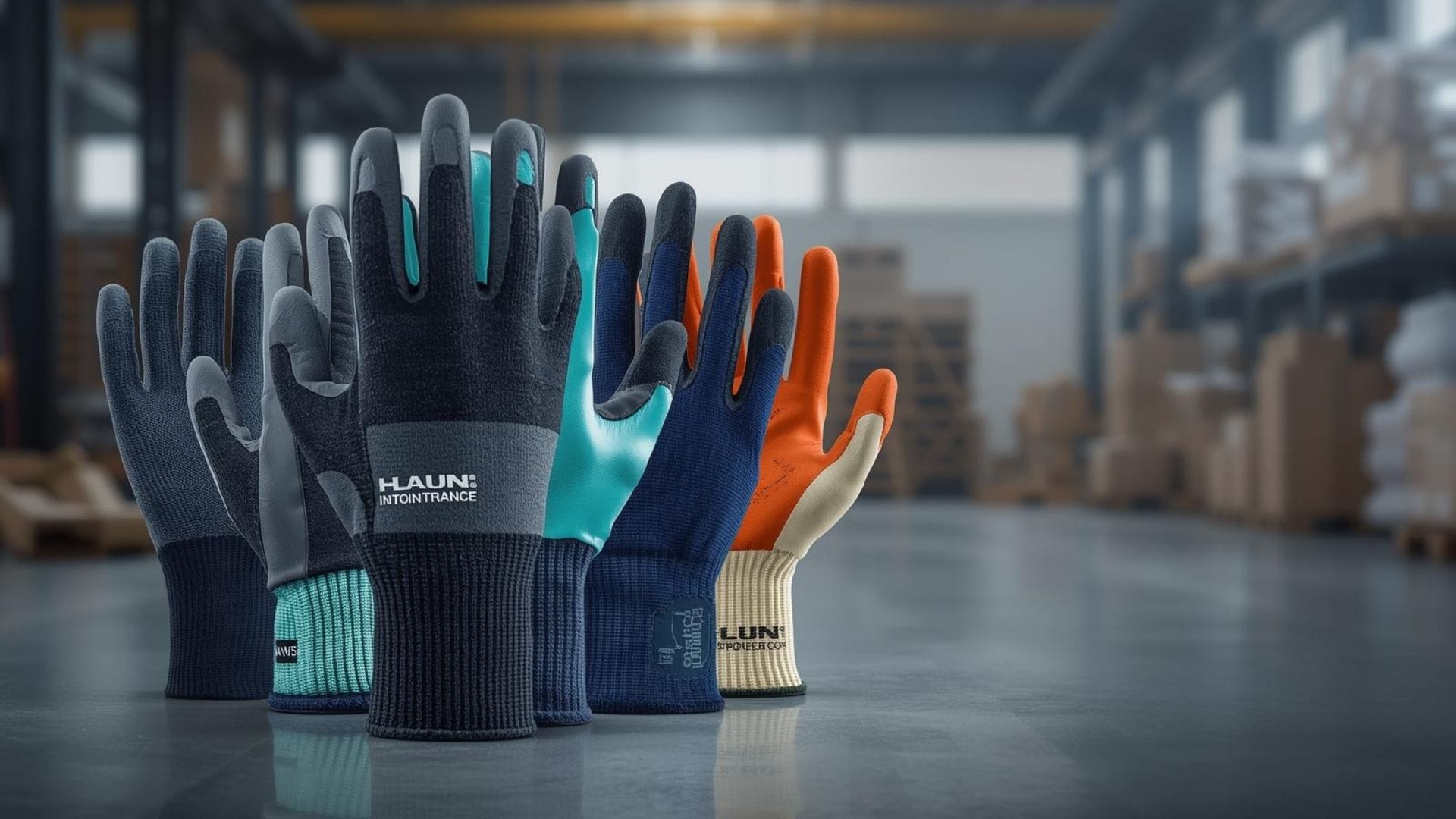
The Complete Guide to Work Gloves & Hand Protection in the UK (2026)

Choose the right glove fast
- General handling: Coated knit gloves (excellent grip + dexterity)
- Sharp materials: Cut-resistant gloves (EN 388 cut levels)
- Oil, grease, chemicals: Nitrile gloves (disposable or reusable)
- Heavy mechanical work: Impact gloves with knuckle protection
- Cold or wet work: Thermal or waterproof gloves
Table of Contents
Why hand protection matters
Hands are one of the most commonly injured body parts at work. Cuts, abrasions, chemical exposure and repetitive handling injuries can all be reduced significantly with the correct gloves for the task. The challenge isn’t whether to wear gloves , it’s choosing the right type, fit and protection level for the job.
This guide explains glove types, standards, sizing and trade-specific recommendations so workers and employers can make confident buying decisions.
Understanding glove standards (UK & EU)
Before buying, always check the EN standards printed on the glove or product page.
EN 388 – Mechanical risks
This is the most common standard for work gloves. It measures:
- Abrasion resistance
- Cut resistance
- Tear resistance
- Puncture resistance
- Optional ISO cut resistance (A–F scale)
Tip: A glove rated A–B suits light handling, while D–F is better for high cut risks like sheet metal or glass.
EN 374 – Chemical protection
Applies to gloves designed to protect against chemicals and micro-organisms, commonly nitrile or latex gloves.
EN 511 – Cold protection
For insulated gloves used in cold storage, outdoor winter work or refrigerated environments.
Types of work gloves explained
1. Coated knit gloves (general handling)
Best for: Warehouse work, construction, assembly, logistics
Features:
- Knitted liner (nylon/polyester)
- Palm coating (PU, latex or nitrile)
- High dexterity and grip
These are ideal everyday gloves for lifting, carrying and general site work.
2. Cut-resistant gloves
Best for: Metalwork, glazing, waste handling, engineering
Features:
- High-performance fibres (HPPE, aramid)
- EN 388 cut ratings
- Often combined with grip coatings
Choose higher cut levels for sharp materials, but balance with dexterity — over-specifying can reduce comfort.
3. Nitrile gloves (disposable & reusable)
Best for: Mechanics, cleaning, chemical handling, food prep
Features:
- Oil and chemical resistance
- Powder-free, latex-free options
- Disposable (single-use) or heavy-duty reusable
Disposable nitrile gloves are ideal for hygiene-critical tasks, while reusable nitrile gloves suit mechanical or chemical exposure.
4. Impact gloves
Best for: Mechanics, oil & gas, heavy construction
Features:
- TPR (thermoplastic rubber) impact protection
- Reinforced knuckles and fingers
- Strong abrasion resistance
Impact gloves protect against crushing and knock injuries while still allowing tool use.
5. Waterproof & thermal gloves
Best for: Outdoor work, utilities, winter conditions
Features:
- Waterproof membranes or coatings
- Insulated linings
- Extended cuffs for weather protection
Great for cold, wet UK working environments where dexterity still matters.
Choosing gloves by trade
Construction & general labour
- Coated knit gloves for daily tasks
- Cut-resistant gloves when handling sharp materials
Warehouse & logistics
- Lightweight grip gloves
- Breathable liners to reduce sweat during long shifts
Mechanics & automotive
- Reusable nitrile or impact gloves
- Oil-resistant coatings essential
Electricians
- Close-fitting gloves for dexterity
- Avoid bulky gloves unless impact protection is required
Cleaning & facilities
- Disposable nitrile gloves (EN 374)
- Chemical-resistant reusable gloves for stronger agents
Glove fit & sizing — don’t skip this
Poorly fitting gloves reduce protection and productivity.
Sizing tips:
- Measure hand circumference (around knuckles, excluding thumb)
- Gloves should fit snugly without restricting movement
- Too loose = reduced grip; too tight = hand fatigue
Add a downloadable glove sizing chart or embed one on product pages — this reduces returns and boosts trust.
When to replace work gloves
Replace gloves if you notice:
- Holes, tears or thinning fabric
- Loss of grip or coating wear
- Chemical contamination
- Reduced cut or impact protection
Disposable gloves should never be reused.